Search
 Member





Frequently Asked Questions: Identifying and Choosing Musang King
How can I tell if a Musang King is real or fake?
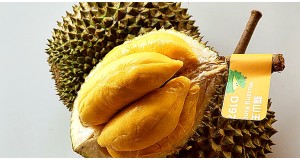
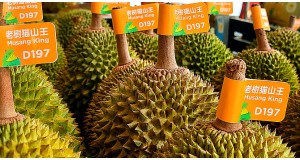
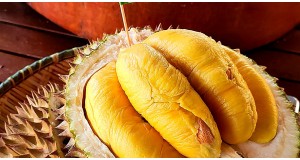
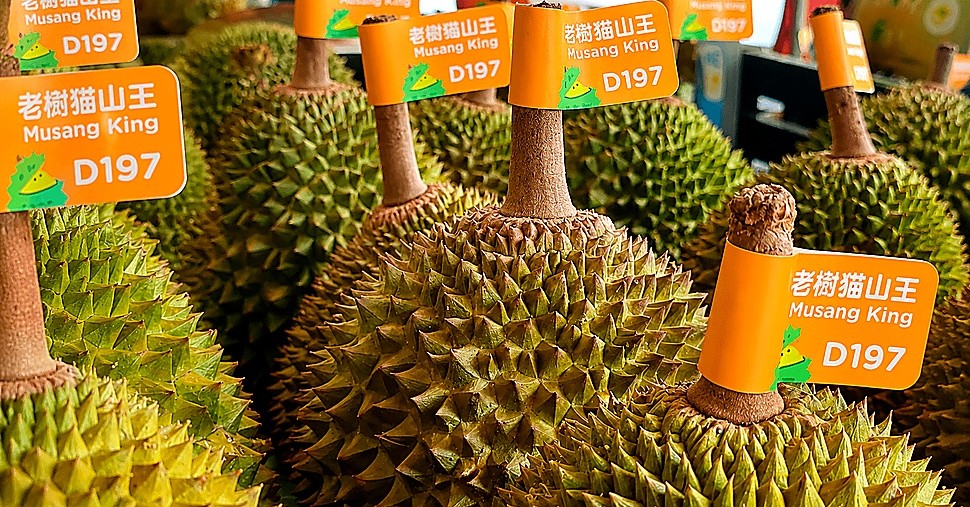
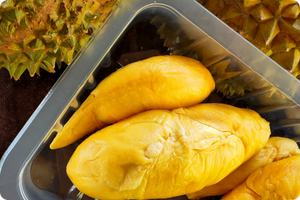
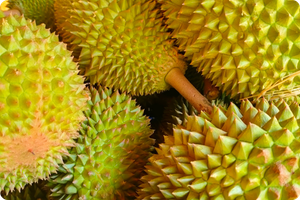
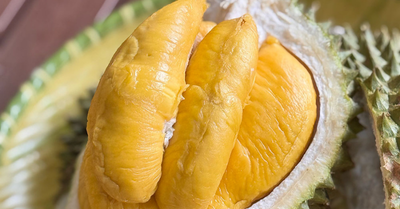
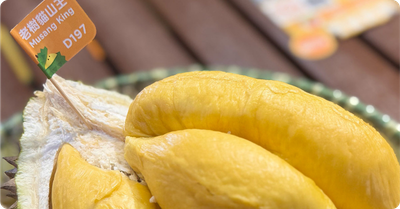
The most reliable test is the five-pointed star at the base of the durian, where the husk sections meet. An authentic D197 displays a clearly visible brown starfish-shaped seam pattern. Pair this with the thorn check: Musang King thorns are broad, pyramidal, and widely spaced. If the thorns are dense and needle-sharp, or the base shows no star pattern, you're likely holding a different variety. When in doubt, ask the vendor to open it. The deep turmeric-gold flesh is unmistakable.
What is the most commonly sold fake Musang King?
The most frequent mix-up is D24 (Sultan), which shares a superficially similar appearance but has nearly invisible seams, densely packed sharp thorns, and pale cream-coloured flesh. Other varieties sometimes mislabelled as Musang King include D13, Golden Phoenix, and certain kampung varieties. Reputable vendors with direct farm relationships are far less likely to mislabel. Always ask where the fruit was sourced.
Does Grade A Musang King taste better than Grade C?
No. Durian grading is determined entirely by external shape and pulp yield, not flavour. Grade A means the fruit is round or ovoid with 4-5 full, symmetrical segments. Grade C means it's oddly shaped or asymmetrical. The flesh inside, the flavour, creaminess, and bittersweet complexity, is genetically identical across grades from the same tree. Grade C is often the best value for money.
What does overripe Musang King smell like?
Overripe Musang King smells sharp and fermented, almost alcoholic. This is very different from the warm, buttery, custard-like fragrance of a fruit at peak ripeness. The window between peak ripeness and overripe can be as narrow as 12-36 hours, which is why a reliable farm-to-table supply chain matters far more than with most fruits. If the seam aroma is pungent and sharp rather than sweet and warm, pass on that fruit.
Why does my Musang King taste watery or bland?
Three common causes: the fruit was harvested before natural dropping, early-picked fruit lacks the sugar concentration of tree-dropped fruit; it was stored too long without proper cold-chain handling; or it wasn't actually Musang King. D24 and kampung varieties have higher moisture content and milder flavour. Always buy from vendors who can confirm the variety, farm, and harvest date.
Can you freeze Musang King durian at home?
Yes, and it works well. Remove the flesh from the husk, place the pulp in an airtight container or zip-lock freezer bag with minimal air, and freeze. Consume within 2-3 months for best flavour. When ready to eat, thaw in the refrigerator for several hours, then bring to room temperature before eating. The texture softens slightly but the bittersweet flavour profile is well-preserved.
How do I know when a Musang King is ready to eat after buying?
Signs of perfect readiness: the seams emit a warm, fragrant aroma; the husk gives very slightly when pressed near the seam lines; and a gentle tap produces a slightly hollow sound. Tree-dropped durians from reputable stalls are typically ready to eat and best enjoyed within 36 hours of purchase. Store at room temperature and check the seams every few hours. The aroma intensifies noticeably as it reaches peak ripeness.
Is it worth paying more for Pahang Musang King over Johor-grown?
For serious durian lovers, yes. The difference is noticeable. Pahang Musang King, especially Bentong and Raub, consistently develops more concentrated bittersweet complexity due to mineral-rich highland soil and older tree stock. Johor-grown tends to be sweeter and milder. If you're trying Musang King for the first time and want to understand why it commands its reputation, start with Pahang.