Search
 Member





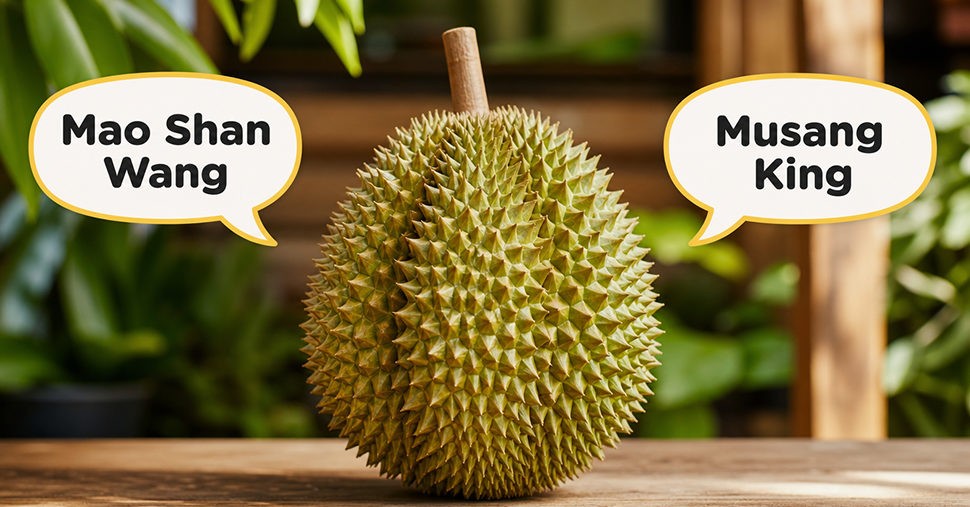
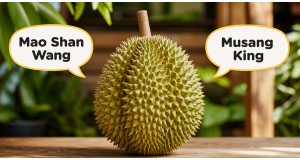
Mao Shan Wang and Musang King: Same Durian, Two Identities
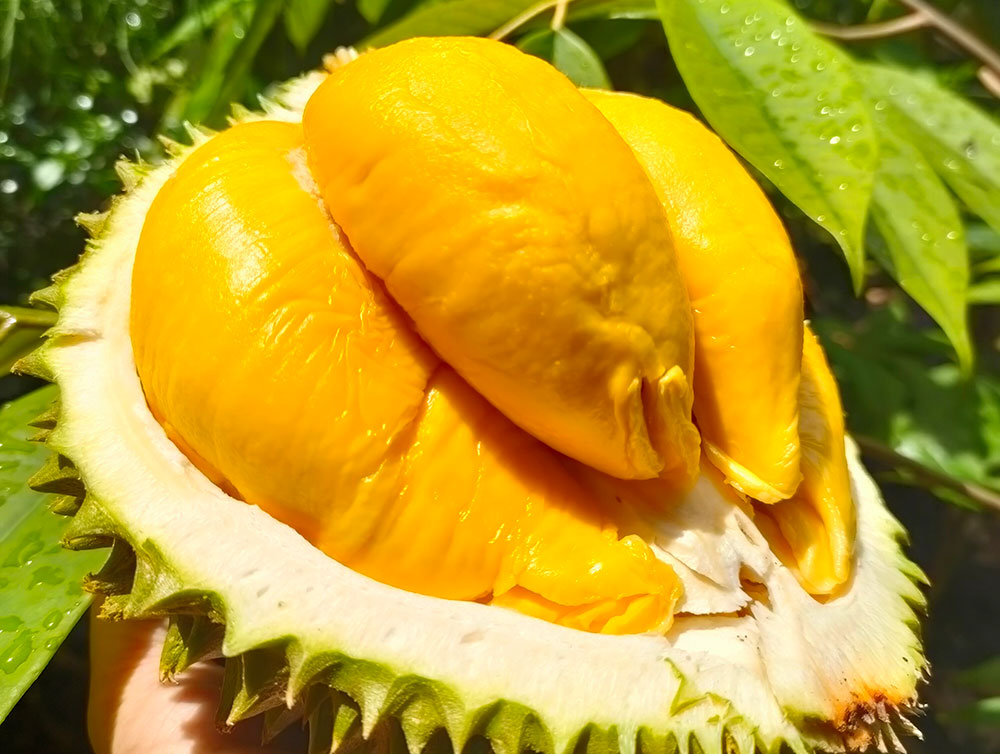
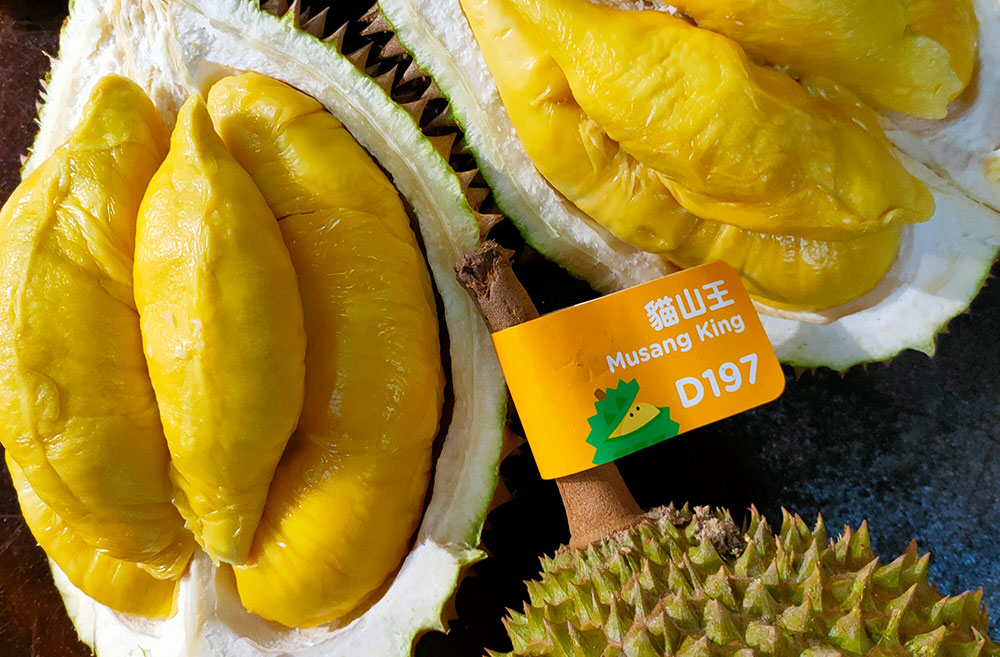
If you've encountered 'Mao Shan Wang' on a menu in Singapore, Hong Kong, Shanghai, or at a premium fruit market anywhere in East Asia — you were looking at Musang King. They are the same variety. The difference is language, market, and the cultural journey that turned a Malaysian orchard durian into an international luxury product.
Here's what the name means, how it came to be, and why understanding this distinction helps you navigate durian menus and markets with far more confidence.
What Does 'Mao Shan Wang' Mean?
Mao Shan Wang (猫山王) is the Mandarin Chinese name for Musang King durian. Directly translated:
- 猫 (Māo) — Cat
- 山 (Shān) — Mountain
- 王 (Wáng) — King
'Cat Mountain King.' The name is a direct translation of the Malay: Musang (civet cat) + the orchard highlands of Gua Musang (mountain/forest area) + King. The variety was named after the civet cats that historically fed on fallen durians in the wild orchards of Gua Musang, Kelantan.
In Malaysian Chinese communities, particularly those speaking Hokkien or Cantonese, the variety is sometimes also called Raja Kucing (Malay-Chinese hybrid: Raja = King, Kucing = cat) — though Mao Shan Wang has become the dominant term in international markets.
How Mao Shan Wang Became an International Name
Until the mid-2000s, Musang King was primarily a Malaysian domestic product — beloved locally but largely unknown internationally. The transformation happened through two channels:
The first was the Chinese diaspora in Singapore and Malaysia, who brought Mao Shan Wang into Mandarin-speaking cultural contexts and began exporting the variety — and its reputation — to China, Hong Kong, and Taiwan.
The second was a single event in 2010: Macau casino tycoon Stanley Ho gifted 88 Musang King durians at a high-profile gathering in Hong Kong. The association with luxury and Chinese numerology (88 being auspicious) embedded Mao Shan Wang firmly as a premium status durian in Greater China. Malaysian Musang King now generates over RM1.19 billion in annual exports to China.
| Mao Shan Wang — Key Identity Facts |
| Malay Name: Musang King |
| Mandarin Name: Mao Shan Wang (猫山王) |
| Official Code: D197 |
| Meaning: Cat Mountain King — named for civet cats (musang) in Gua Musang, Kelantan |
| They are identical: same variety, same genetics, same flavour — different name by language |
| International premium status: Drives RM1.19 billion+ in annual Malaysian exports to China |
Why It Matters Which Name Is Used
In Malaysia, both names are used interchangeably — Musang King at Malay and English-language outlets, Mao Shan Wang at Chinese-language outlets. In Singapore, Mao Shan Wang is dominant. In China, Mao Shan Wang is the only name most consumers know.
The practical implication: if you see Mao Shan Wang on a menu in Hong Kong or Mao Shan Wang durian cake in a Singapore bakery, you are looking at Musang King. The prestige, price, and flavour expectation are identical.
Where it becomes important is authenticity. Because Mao Shan Wang commands premium prices internationally, substitution with inferior varieties is common in markets far from the source. Buying from outlets with verified Malaysian orchard sourcing — or tasting it at a guided experience where provenance is part of the explanation — is the most reliable way to ensure you're eating the real thing. See: Durian Orchard Experience Near KL
What Does Mao Shan Wang Actually Taste Like?
For readers who've encountered the name but never tasted the durian — the short answer is: unlike anything you've tried before.
The flesh is thick, pale to deep golden-yellow, and dense with a custard-like texture. The flavour opens with a rich sweetness and transitions through layers into a complex, lingering bittersweet finish — like the moment after very good dark chocolate or espresso, but warmer and more enveloping. The aroma is bold, complex, and assertive — less one-dimensional than cheaper varieties, more of a full olfactory experience.
The most reliable way to taste authentic Mao Shan Wang near Kuala Lumpur is at a guided tasting with verified orchard sourcing, 25 minutes from the city centre. See:Durian Tasting Tour KL
Frequently Asked Questions
Is Mao Shan Wang the same as Musang King?
Yes — completely identical. Mao Shan Wang (猫山王) is the Mandarin Chinese name; Musang King is the Malay and English name. Same variety, same genetics, same flavour profile. The name difference reflects language and market, not the durian itself.
What does Mao Shan Wang mean in English?
Cat Mountain King. Mao (猫) = cat, Shan (山) = mountain, Wang (王) = king. It's a direct translation of the Malay 'Musang King' — Musang being the Malay word for civet cat.
Why is Mao Shan Wang so expensive?
Mao Shan Wang/Musang King commands premium prices because of its complex flavour profile, its limited production window (June–August primary season), the slow tree maturation required for quality durian, and its international status — particularly in China, where demand has dramatically outpaced supply.
Where can I taste genuine Mao Shan Wang near KL?
At a guided tasting experience with verified orchard sourcing in Serdang, Selangor DurianBB Academy — 25 minutes from KL city centre — where Mao Shan Wang (Musang King) is served as part of the Durian Master Class with full provenance explanation.
Explore DurianBB Academy
Malaysia's first immersive durian-themed education hub. Farm tour, carnival games, Science Magic Show, and DurianBB Master Class — all in one unforgettable half-day experience.
Prefer to book online or want to find out more? Book Your Tickets · Visit DurianBB Academy
Related DurianBB Guides
Reviewed by the DurianBB Team
This guide is prepared and reviewed by the DurianBB Team based on our experience in durian education, orchard operations, customer engagement, and Malaysian durian culture. Our goal is to help visitors, students, and durian enthusiasts gain a deeper understanding of how durian is grown, selected, appreciated, and experienced through DurianBB Academy.